
Author: admin

  • Gemini 2.5: Google most intelligent AI model

    Gemini 2.5: Google most intelligent AI model

    Google has unveiled the API pricing for Gemini 2.5 Pro, its most advanced AI reasoning model to date—and it’s also the company’s most expensive AI offering yet. With industry-leading performance in coding, reasoning, and math benchmarks, Gemini 2.5 Pro promises high capabilities—but at a premium cost.

    Gemini 2.5 Pro Pricing Breakdown

    Here’s what developers need to know about the costs:

    ✅ Standard prompts (up to 200K tokens):

    • $1.25 per million input tokens (~750,000 words)
    • $10 per million output tokens

    ✅ Extended prompts (beyond 200K tokens—a rare feature among competitors):

    • $2.50 per million input tokens
    • $15 per million output tokens

    How Does It Compare to Other AI Models?

    1. Gemini 2.5 Pro is more expensive than most of Google’s own models, including:

    • Gemini 2.0 Flash (0.10/Minput,0.40/M output)
    • OpenAI’s o3-mini (1.10/Minput,4.40/M output)
    • DeepSeek’s R1 (0.55/Minput,2.19/M output)

    2. However, it’s still cheaper than some high-end competitors, such as:

    • Anthropos’s Claude 3.7 Sonnet (3/Minput,3/Minput,15/M output)
    • OpenAI’s GPT-4.5 (75/Minput,75/Minput,150/M output)

    Why Is Google’s AI Pricing Going Up?

    The trend of rising costs for flagship AI models isn’t unique to Google. OpenAI’s latest o1-pro, for example, charges a staggering 150permillioninputtokensand150permillioninputtokensand600 per million output tokens—making Gemini 2.5 Pro seem relatively affordable in comparison.

    Experts suggest high demand and computing costs are driving the price surge. Google CEO Sundar Pichai confirmed that Gemini 2.5 Pro is the company’s most in-demand AI model, leading to an 80% spike in usage on Google’s AI Studio and Gemini API this month alone.

    Final Verdict: Is Gemini 2.5 Pro Worth the Cost?

    For developers needing long-context reasoning (200K+ tokens) and top-tier performance, Pro version could justify its premium pricing. However, those with simpler needs may opt for more budget-friendly alternatives like Gemini 2.0 Flash or OpenAI’s o3-mini.

    What do you think? Will you be using Gemini 2.5 Pro, or is the cost too high? Let us know in the comments!


    SEO Enhancements in This Version:

    🔹 Keyword-rich headings (e.g., “Pro version Pricing,” “Why Is Google’s AI Pricing Going Up?”)
    🔹 Bullet points & comparisons for better readability
    🔸 Engaging conclusion prompting discussion (improves dwell time)
    🔹 Competitor analysis (helps rank for comparison queries)

    Google has taken a major leap forward with Gemini 2.5 Pro, the next evolution of its flagship AI model. Building on the strengths of previous Gemini versions, this release delivers unmatched multimodality, a massive 1M-token context window (soon expanding to 2M), and superior performance across text, audio, images, video, and even full codebases.

    Other article

  • Pixel 9a: Premium AI Features at a Mid-Range Price

    Pixel 9a: Premium AI Features at a Mid-Range Price

    Google’s Pixel 9a is here, bringing flagship AI smarts, a sleek redesign, and an upgraded camera—all for just $499. Powered by the Tensor G4 chip, it delivers Gemini Nano on-device AI, a 120Hz Actua display, and 7 years of updates, making it the best-value A-series phone yet.


    Key Upgrades & Features

    1. Sleek New Design with Brighter 120Hz Display

    • 6.3″ Actua display (35% brighter than Pixel 8a, 2700 nits peak brightness)
    • 120Hz adaptive refresh rate for smoother scrolling
    • Flat-edge design (similar to Pixel 9) in Peony, Iris, Porcelain, and Obsidian

    2. Best Camera Under $500

    • 48MP main + 13MP ultrawide (first A-series with Macro Focus)
    • New AI Photography Features:
      • Add Me – Combine group photos so no one’s left out
      • Best Take – Fix group shots with AI
      • Magic Editor + Auto Frame – AI reframing & scene expansion
      • Reimagine – Change photo elements (e.g., add fall leaves)
      • Night Sight, Astrophotography, Audio Magic Eraser

    3. Tensor G4 + Gemini Nano AI

    • First sub-$500 phone with Gemini Nano (on-device AI)
    • Gemini Live – Voice & video conversations with AI (coming soon)
    • Circle to Search, Pixel Studio, Call Assist (Hold For Me, Call Screen)

    4. Extreme Battery Life & Durability

    • 30+ hours battery (up to 100 hrs with Extreme Battery Saver)
    • IP68 water/dust resistance (most durable A-series yet)
    • 7 years of OS updates (longer than most flagships)

    Who Should Buy the Pixel 9a?

    ✔ Budget buyers who want flagship AI features
    ✔ Photographers needing best-in-class computational photography
    ✔ Students/parents – Family Link, School Time, Google Wallet for kids
    ✔ Long-term users (7 years of updates!)


    Pixel 9a vs. Pixel 8a vs. Pixel 9

    Feature Pixel 9a ($499) Pixel 8a ($499) Pixel 9 ($699)
    Chipset Tensor G4 Tensor G3 Tensor G4
    Display 6.3″ 120Hz 6.1″ 90Hz 6.2″ 120Hz
    Brightness 2700 nits 2000 nits 2400 nits
    Cameras 48MP+13MP 64MP+13MP 50MP+12MP
    Macro Focus ✅ Yes ❌ No ✅ Yes
    Battery Life 30+ hrs 24+ hrs 24+ hrs

    Verdict: The 9a beats the 8a with Tensor G4, 120Hz, and Macro Focus. For $200 more, the Pixel 9 adds wireless charging & a telephoto lens.


    Price & Availability

    • $499 (128GB) –Pre-orders start April 10 (US, UK, Canada)
    • Where to Buy: Google Store, Amazon, Best Buy, carriers

    Final Verdict: Best Budget AI Phone?

    The Pixel 9a is a game-changer—offering Pixel 9-level AI, a pro camera, and 7-year support at half the price. If you want Google’s smartest features without overspending, this is the phone to beat.


    What do you think? Will you upgrade to the Pixel 9a? Let us know in the comments!

    iPhone 16E

  • Here’s Everything the iPhone 16E Can’t Do: A Comprehensive Guide
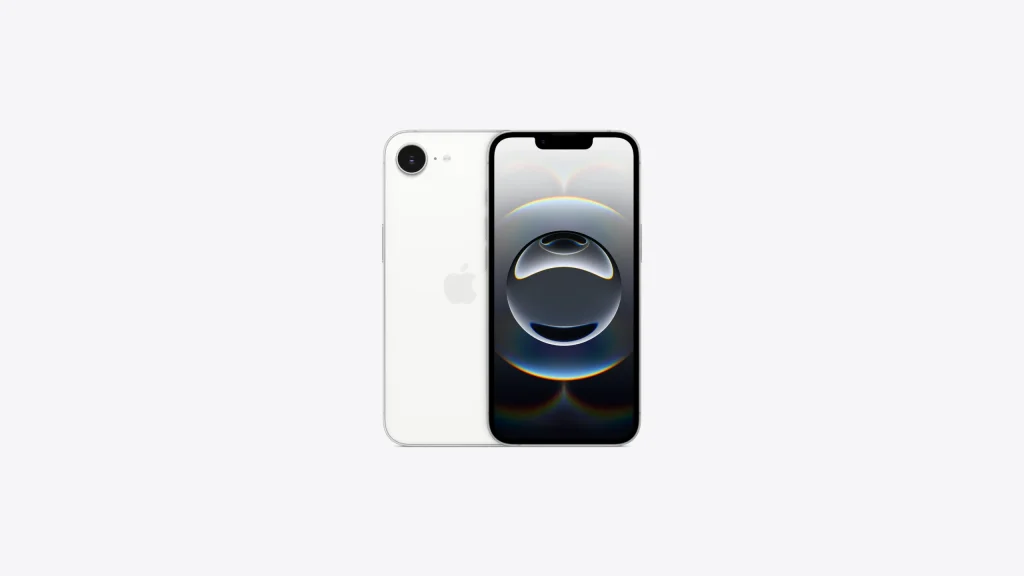
    Here’s Everything the iPhone 16E Can’t Do: A Comprehensive Guide

    The iPhone 16E has been making waves in the tech world, offering a sleek design, impressive performance, and a host of features that cater to the modern smartphone user. However, like any device, it has its limitations. While Apple has packed the iPhone 16E with cutting-edge technology, there are certain things it simply can’t do. Whether you’re considering purchasing the iPhone 16E or you’re just curious about its capabilities, this blog will explore everything the iPhone 16E can’t do, helping you make an informed decision.


    1. Expandable Storage: No SD Card Slot

    One of the most notable limitations of the iPhone 16E is the lack of expandable storage. Unlike some Android devices that offer microSD card slots, the iPhone 16E relies solely on its internal storage. This means you’ll need to choose your storage capacity wisely at the time of purchase—whether it’s 128GB, 256GB, or 512GB. Once you’ve hit that limit, you’ll need to offload files to iCloud or an external drive, which can be inconvenient for users who frequently store large files like 4K videos or high-resolution photos.


    2. No Headphone Jack

    The iPhone 16E continues Apple’s trend of omitting the traditional 3.5mm headphone jack. If you’re someone who prefers wired headphones, you’ll need to use a Lightning-to-3.5mm adapter or invest in wireless options like AirPods or other Bluetooth headphones. While this isn’t a dealbreaker for many, it’s worth noting for audiophiles or those who dislike relying on adapters.


    3. Limited Customization Compared to Android

    Apple’s iOS ecosystem is known for its simplicity and security, but it comes at the cost of limited customization. The iPhone 16E doesn’t allow you to change default apps, customize the home screen layout extensively, or access system-level settings like you can on Android devices. For example, you can’t replace Safari with Chrome as the default browser or set a third-party app as the default messaging app. If you’re someone who loves tinkering with your device’s interface, this might feel restrictive.


    4. No USB-C Port (Yet)

    While rumors have swirled about Apple transitioning to USB-C, the iPhone 16E still uses Apple’s proprietary Lightning port. This means you’ll need to carry a separate cable if you own other devices that use USB-C, which is becoming the industry standard. The lack of USB-C also limits data transfer speeds compared to newer Android devices that support USB 3.1 or higher.


    5. No Foldable Display

    Foldable smartphones are gaining popularity, with brands like Samsung and Huawei leading the charge. However, the iPhone 16E doesn’t feature a foldable display. If you’re looking for a device that can transform from a phone to a tablet, you’ll need to look elsewhere. Apple has yet to enter the foldable market, so the iPhone 16E remains a traditional candy bar-style smartphone.


    6. No Under-Display Fingerprint Sensor

    While the iPhone 16E features Face ID for biometric authentication, it lacks an under-display fingerprint sensor, a feature found in many Android flagships. Face ID is fast and secure, but it can be less convenient in certain situations, such as when wearing a mask or in low-light conditions. Some users may prefer the option of both facial recognition and fingerprint scanning, but the iPhone 16E doesn’t offer this flexibility.


    7. No Reverse Wireless Charging

    Reverse wireless charging, which allows you to charge other devices (like wireless earbuds or another smartphone) using your phone’s battery, is a feature available on some Android devices. Unfortunately, the iPhone 16E doesn’t support this functionality. While this might not be a dealbreaker for everyone, it’s a handy feature that’s missing from Apple’s lineup.


    8. Limited Zoom Capabilities

    The iPhone 16E boasts an impressive camera system, but it still lags behind some Android competitors when it comes to zoom capabilities. While it offers optical and digital zoom, it doesn’t have a periscope lens for extreme zoom levels (like 10x or 100x) that you’ll find in devices like the Samsung Galaxy S23 Ultra or the Huawei P60 Pro. If you’re a photography enthusiast who values long-range zoom, this might be a drawback.


    9. No Always-On Display

    Always-on displays are becoming increasingly popular, allowing users to glance at the time, notifications, and other information without fully waking the device. While some Android devices offer this feature, the iPhone 16E doesn’t have an always-on display. This means you’ll need to tap or raise your phone to check notifications, which can be less convenient.


    10. No Multi-User Support

    If you share your phone with family members or colleagues, you might miss the multi-user support feature available on many Android devices. The iPhone 16E doesn’t allow multiple user profiles, meaning everyone who uses the device will have access to the same apps, settings, and data. This can be a significant limitation for households or workplaces where device sharing is common.


    11. No Built-In Satellite Connectivity

    Some high-end Android devices are beginning to offer satellite connectivity for emergency messaging in remote areas. The iPhone 16E, however, doesn’t include this feature. While it’s a niche capability, it could be a lifesaver in extreme situations, and its absence might be a drawback for adventurers or frequent travelers.


    12. No High-Refresh-Rate Display

    While the iPhone 16E has a stunning OLED display, it doesn’t support a high-refresh-rate screen (120Hz or higher) like many Android flagships. A higher refresh rate provides smoother scrolling and more responsive touch input, which can enhance the overall user experience, especially for gaming and multimedia consumption.


    13. No Split-Screen Multitasking

    Split-screen multitasking is a feature that allows you to run two apps simultaneously on the same screen. While this is a staple on many Android devices, the iPhone 16E doesn’t support it. If you’re someone who frequently multitasks—like watching a video while browsing the web—this might feel like a missed opportunity.


    14. No FM Radio

    Despite being a common feature in many smartphones, the iPhone 16E doesn’t include an FM radio tuner. If you enjoy listening to local radio stations without using data, you’ll need to rely on streaming apps or external devices.


    15. No Expandable Battery Life

    While the iPhone 16E offers decent battery life, it doesn’t come with a removable or expandable battery. This means you can’t swap out the battery for a fresh one if you’re running low on power. Over time, as the battery degrades, you’ll need to visit an Apple Store or authorized service provider for a replacement.


    Conclusion: Is the iPhone 16E Right for You?

    The iPhone 16E is a powerful and versatile smartphone, but it’s not without its limitations. From the lack of expandable storage and a headphone jack to the absence of features like reverse wireless charging and split-screen multitasking, there are several things the iPhone 16E can’t do. However, these limitations are often outweighed by its strengths, including its seamless integration with the Apple ecosystem, robust security features, and exceptional build quality.

    Before making a purchase, consider your priorities and how these limitations might impact your daily use. If you’re deeply embedded in the Apple ecosystem and value simplicity and reliability, the iPhone might still be the perfect choice for you. On the other hand, if you’re looking for more customization, cutting-edge features, or specific functionalities, you might want to explore Android alternatives.

    Ultimately, the iPhone 16E is a testament to Apple’s commitment to innovation, but it’s essential to understand its limitations to ensure it meets your needs. What are your thoughts on the iPhone 16E? Let us know in the comments below!

    other blog 

  • Chinese AI DeepSeek Deep-Sixes OpenAI on the App Store, Stocks Tank

    Chinese AI DeepSeek Deep-Sixes OpenAI on the App Store, Stocks Tank

    Chinese AI chatbot DeepSeek has outpaced OpenAI’s ChatGPT, becoming the most downloaded app on the Apple App Store. The market is reacting strongly, with stocks for major AI-related companies experiencing significant declines. On Monday, NVIDIA’s share price dropped by 11%, Oracle’s by 8%, and Palantir’s by 5% in the wake of this disruptive news.

    What Is DeepSeek, and How Did It Overtake OpenAI?

    DeepSeek released its revolutionary R1 chatbot in late December. In just a month, it has risen to the top of the App Store, challenging the dominance of OpenAI’s ChatGPT. This rapid ascent reveals a shift in the AI landscape—one where Chinese company are not only competing but excelling in innovation, efficiency, and accessibility.

    The R1 chatbot has captivated users with its advanced functionality and cost-efficiency. Built in just two months with a budget of $6 million, the project highlights a striking contrast to the high-cost, resource-intensive models developed in Silicon Valley. DeepSeek’s use of NVIDIA’s H800 GPUs—less advanced yet more affordable—proves that effective AI development doesn’t require exorbitant investments.

    Market Panic: A Shift in Global AI Dominance?

    The success of DeepSeek has sparked concerns about China’s growing influence in the AI sector. Historically, Silicon Valley has led the race, with companies like OpenAI, Meta, and Anthropic pouring billions into research and development. These investments rely on the assumption that bigger, more expensive infrastructure is key to AI innovation.

    DeepSeek’s achievement has upended that narrative. It’s an open-source model, meaning developers worldwide can access, modify, and deploy it. This approach lowers entry barriers, encouraging broader adoption and experimentation. The efficient use of resources and the rapid timeline challenge the belief that cutting-edge AI requires vast financial and technical investments.

    The Broader Economic Impact

    The financial markets have not taken this news lightly. NVIDIA, a leading GPU manufacturer, saw its shares plummet by 11%. Oracle and Palantir followed suit, dropping 8% and 5%, respectively. Analysts attribute these declines to concerns over China’s ability to produce competitive AI solutions at a fraction of the cost.

    The CHIPs Act, passed in the U.S. to restrict China’s access to advanced GPUs, aimed to ensure America’s leadership in AI. However, DeepSeek’s reliance on the H800 GPU demonstrates that innovation isn’t solely dependent on cutting-edge hardware. This realization is prompting a reevaluation of investment strategies and the effectiveness of trade restrictions.

    OpenAI’s Ambitions vs. DeepSeek’s Pragmatism

    OpenAI’s vision centers on creating Artificial General Intelligence (AGI)—a technology it views as a transformative force for humanity. CEO Sam Altman has championed the idea that building AGI requires massive resources, including data centers powered by nuclear energy and large-scale infrastructure. However, this ambitious vision has also attracted criticism for its ethical and environmental implications.

    DeepSeek’s approach is notably different. By focusing on cost-efficiency and accessibility, it has demonstrated that high-quality AI doesn’t have to come at such a steep price. The open-source nature of R1 further underscores this difference, empowering developers to collaborate and innovate without significant financial barriers.

    What Makes DeepSeek-R1 Unique?

    DeepSeek-R1’s success lies in its efficiency and accessibility:

    1. Development Timeline: The chatbot was built in just two months.
    2. Cost-Effectiveness: It required only $6 million in funding.
    3. Hardware Utilization: The model leveraged NVIDIA’s H800 GPUs, which are less advanced but significantly more affordable.
    4. Open-Source Model: Developers can access and modify the R1 model on GitHub, fostering innovation.

    These factors highlight a stark contrast to the practices of U.S.-based AI companies, which often rely on extensive resources and proprietary technologies.

    What Does This Mean for the Future of AI?

    DeepSeek’s rise signals a shift in the global AI landscape. As China continues to demonstrate its capability to develop competitive AI solutions quickly and affordably, Silicon Valley faces increasing pressure to adapt.

    Microsoft CEO Satya Nadella acknowledged the significance of these developments at the World Economic Forum in Davos. “To see the DeepSeek new model, it’s super impressive in terms of both how they have really effectively done an open-source model that does this inference-time compute, and is super-compute efficient,” he remarked. Nadella’s statement underscores the need for Western companies to take China’s advancements seriously.

    Lessons for Silicon Valley

    DeepSeek’s success offers several key takeaways for Silicon Valley:

    1. Embrace Efficiency: Bigger isn’t always better. Cost-effective solutions can achieve similar results.
    2. Open Source: Sharing technology fosters innovation and expands the developer ecosystem.
    3. Global Competition: China’s advancements highlight the need for strategic investments and agile development practices in the U.S.
    4. Collaboration Over Exclusivity: Open-source models encourage collaboration, leading to faster innovation and broader adoption.

    Conclusion: A New Era of AI

    DeepSeek’s R1 chatbot has reshaped the AI landscape, challenged the dominance of Silicon Valley and proved that innovation doesn’t always require massive resources. As markets adjust to this new reality, the race for AI leadership is becoming more dynamic and competitive.

    The question now is whether U.S. companies can adapt to these changing dynamics or risk being overshadowed by their Chinese counterparts. One thing is clear: DeepSeek’s success has set a new benchmark for what’s possible in the world of AI.

    Other blog 

  • How Google Gemini AI’s Memory Could Save Lives

    How Google Gemini AI’s Memory Could Save Lives

    Google Gemini AI is transforming the future with its advanced memory capabilities, offering solutions to loneliness and enhancing human-AI connections. By retaining conversation details, Gemini provides more natural interactions, paving the way for meaningful companionship and support in combating social isolation.

    The Fearmongering Around AI Advancements

    Google Gemini AI is often portrayed as a harbinger of doom, with popular culture sensationalizing risks of surpassing humanity. Popular culture and media sensationalize the risks, depicting AI as a force capable of surpassing humanity, leading to catastrophic consequences. From Hollywood’s Terminator fantasies to speculative scenarios like Roko’s Basilisk, the narrative often leans heavily toward fear.

    While these concerns spark caution, they overshadow the monumental technological progress required to achieve Artificial General Intelligence (AGI). Instead of focusing solely on hypothetical dangers, it’s time to appreciate AI’s potential to enrich lives.

    Google’s Gemini AI: A Step Toward True AGI Mimicry

    Google Gemini AI’s enhanced memory marks a significant leap forward, enabling it to retain and reference past conversations seamlessly. Unlike earlier AI models, Gemini can retain and reference past conversations, creating a more seamless and human-like interaction. This development marks a shift from narrow AI applications to systems mimicking AGI capabilities.

    Memory is a cornerstone of human-like intelligence. AI models like Gemini and ChatGPT rely on Large Language Models (LLMs), and their memory capacity directly influences their ability to hold context. ChatGPT, for instance, has limitations in retaining earlier conversation details, often breaking the “fourth wall” during interactions. Gemini’s advanced memory aims to overcome this, offering a more immersive and natural user experience.

    Tackling Loneliness with AI

    Loneliness has emerged as a global epidemic. Research highlights its severe health impacts, linking social isolation to increased risks of cardiovascular disease, depression, and even cancer. Modern societal structures, such as the breakdown of multigenerational living and economic migration, exacerbate these challenges.

    AI can help bridge this gap. Advanced AI chatbots, equipped with memory, can provide companionship and emotional support to those struggling with loneliness. By mimicking human-like conversations, AI offers a safe space for individuals to practice social interactions, reducing anxiety and rebuilding confidence.

    If Gemini’s memory capabilities evolve further, it could transform into a reliable companion, particularly for the elderly and socially isolated. Integrated with smart home devices, it has the potential to revolutionize mental health support on a global scale.

    The Challenges of Scaling AI Memory

    Despite its promise, integrating AI with human-like memory poses significant technical challenges. Running LLMs requires immense computational power and storage. Scaling such systems to cater to millions or billions of users demands advancements in hardware and energy efficiency.

    Google’s recent strides in nuclear energy acquisition signal its commitment to powering such AI innovations. However, building the infrastructure to support this vision remains a monumental task.

    The Real Threat: Artificial Narrow Intelligence (ANI)

    While AGI sparks widespread debate, the more immediate concern lies with Artificial Narrow Intelligence (ANI). Unlike AGI, which seeks to replicate human cognition, ANI focuses on specific tasks. Without ethical frameworks, ANI applications can pose significant risks, particularly in military and surveillance contexts.

    For instance, ANI-powered drones have been used in conflict zones, demonstrating high efficiency but raising ethical and legal concerns. These systems lack moral judgment, operating solely within their programmed parameters.

    Governments and organizations must prioritize regulations to prevent misuse of ANI and other emerging AI technologies. Proactive governance is crucial to ensure AI serves humanity rather than becoming a tool for harm.

    Embracing AI’s Potential for Good

    The narrative around AI must shift from fear to opportunity. Innovations like Google Gemini’s memory highlight the immense potential of AI to address societal issues and improve lives. With ethical implementation and robust governance, AI can become a force for good, combating loneliness, enhancing mental health, and fostering social connection.

    Rather than fearing the unknown, we should focus on harnessing AI’s capabilities to build a better, more connected world.

    Other Blog

  • OpenAI For-Profit Shift Critical to Its Humanitarian Mission

    OpenAI For-Profit Shift Critical to Its Humanitarian Mission

    OpenAI For-Profit Shift Critical to Its Humanitarian Mission” explores OpenAI’s strategic move to embrace a for-profit model and its implications on advancing global welfare. This blog delves into how the shift aims to accelerate AI innovation, ensure sustainability, and maintain the company’s commitment to ethical AI development. Discover how OpenAI balances commercial objectives with its long-standing mission to serve humanity and address pressing global challenges. Explore the complex dynamics between technological advancement, ethical responsibility, and financial viability.

    What Does OpenAI’s For-Profit Shift Entail?

    In a recent blog post, OpenAI revealed plans to transform its for-profit division into a Delaware-based PBC. This structure mandates a focus on public benefit alongside generating profits. The shift enables OpenAI to issue ordinary shares while channeling a portion of its profits into advancing its humanitarian mission.

    To safeguard its objectives, OpenAI’s nonprofit arm will retain shares in the PBC. Although the exact allotment remains unclear, the nonprofit will rely on independent advisors to establish fair valuations. This model aims to multiply previous donations, creating one of the most well-resourced nonprofits in history.

    Why the Shift to a PBC Is Essential

    AI development is capital-intensive, with costs increasing as innovations advance. OpenAI argues that this restructuring ensures sustainability by attracting investors willing to fund cutting-edge AI research. The nonprofit will focus on charitable initiatives in healthcare, education, and science, while the for-profit PBC drives operational efficiency.

    Similar models are used by competitors like Anthropic and Elon Musk’s X’AI. OpenAI claims this dual structure positions it to thrive in the competitive AI landscape, ensuring alignment with its mission to serve humanity.

    The Elon Musk Controversy

    Elon Musk, one of OpenAI’s early donors, has filed a lawsuit against the organization. Musk alleges that OpenAI misrepresented its long-term plans, shifting from a nonprofit to a profit-driven entity without full transparency.

    Musk’s lawsuit highlights his initial investment, made under the assumption that OpenAI would remain an open-source nonprofit. He argues the for-profit pivot compromises the organization’s original mission, prioritizing financial gain over societal benefit.

    How OpenAI Defends Its Decision

    OpenAI defends the restructuring as a necessary evolution. In its early days, the organization relied heavily on donations, including Musk’s contributions, to fund its mission. However, as AI research demands skyrocketed, OpenAI required significant capital investments.

    The introduction of a for-profit arm in 2019 allowed OpenAI to secure $1 billion from Microsoft, fueling advancements like GPT-4 and ChatGPT. OpenAI argues that transitioning to a PBC is vital for staying competitive against companies investing billions in AI innovation.

    Addressing Criticism of the Restructure

    Critics claim the new structure benefits leadership financially, potentially undermining OpenAI’s mission. CEO Sam Altman, who previously declined equity in OpenAI, may now secure a 7% stake. While some view this as a conflict of interest, OpenAI insists the change aligns leadership incentives with long-term goals.

    The organization emphasizes that the nonprofit arm will remain focused on public benefit initiatives, supported by a robust funding model. OpenAI believes this approach enhances its capacity to impact global challenges while fostering competition within the AI industry.

    Challenges Ahead for OpenAI

    Musk’s legal challenge poses a significant hurdle for OpenAI’s transformation. He has requested an injunction to halt the restructuring and void OpenAI’s exclusive licensing agreement with Microsoft. The ongoing legal battle could delay OpenAI’s plans, with hearings extending into mid-2025.

    OpenAI remains confident in its strategy, arguing that its leadership in AI innovation inspires other organizations to pursue public benefit goals. Despite Musk’s opposition, OpenAI is committed to evolving into an enduring company that advances its humanitarian mission.

    Conclusion

    The shift to a for-profit PBC represents a pivotal moment for OpenAI. By balancing shareholder interests with its commitment to humanity, the organization seeks to secure sustainable funding for its mission. While the road ahead is fraught with legal and ethical challenges, OpenAI’s transformation could redefine how AI companies align profit motives with societal good.

    Let me know if you’d like further refinements or an FAQ section added! 😊

    Other Blog

  • Smartphone Design Plateaued in 2024: The AI Takeover

    Smartphone Design Plateaued in 2024: The AI Takeover

    Smartphone design reached a plateau in 2024 as AI-driven innovation took center stage, transforming user experiences beyond hardware upgrades. With minimal changes in physical aesthetics, manufacturers shifted focus to integrating cutting-edge AI features, such as personalized assistants, advanced camera algorithms, and seamless real-time translations. The emphasis on software evolution highlighted the industry’s pivot toward functionality over form, redefining consumer expectations.

    Why Has Smartphone Design Stagnated?

    For years, consumers have looked forward to each new smartphone release, expecting sleeker designs and groundbreaking features. However, 2024 brought a different narrative. Samsung’s Galaxy S24 Ultra retained the look of its predecessor but adopted sharper edges. Apple’s iPhone 16 Pro barely distinguished itself from the iPhone 15 Pro, even from the back. The Google Pixel 9 Pro introduced minor changes, such as a revamped camera bar, but otherwise mimicked design elements from competitors.

    Instead of pushing the boundaries of physical design, these companies have directed their resources toward enhancing AI integration. The AI-powered systems now take center stage, with promises of predictive computing and improved user experiences. But this shift raises a critical question: Is AI worth sacrificing innovation in design?

    The Meteoric Rise of AI in Smartphones

    Samsung set the tone for 2024 with the introduction of Galaxy AI. Its standout feature, Circle to Search, quickly became a fan favorite, surpassing expectations even before Android 15 entered developer preview. Samsung and Google’s collaboration at the Galaxy S24 launch reinforced the message that Android’s future lies in AI.

    Google amplified this message with regular Pixel Drops throughout the year. Features like Call Screen and Gemini extensions showcased AI’s ability to enhance functionality. However, this transformation was not without challenges. The Gemini beta rollout caused compatibility issues with existing Google Assistant-enabled devices, illustrating the growing pains of integrating AI into smartphone ecosystems.

    Even Apple, known for its cautious approach, embraced AI. At WWDC, the company unveiled Apple Intelligence—its branded take on AI technology. While Apple Intelligence boasts advanced features, it still relies on external tools like ChatGPT for complex tasks, signaling a transition phase for Cupertino’s AI ambitions.

    The Cost of AI-Centric Smartphones

    The shift toward AI-driven smartphones comes with tangible trade-offs. Image generation tools, such as Image Playground on iOS and Pixel Studio on Pixel devices, reflect this trend. While these features enhance photo editing capabilities, they rely heavily on AI and cloud resources, demanding significant memory and power. As a result, devices now feature up to 16GB of RAM to support these tasks.

    Unfortunately, these advancements come at a price. Manufacturing costs have risen, leading to higher retail prices for flagship models. The reliance on AI also raises concerns about battery life and device longevity. Smartphones now need larger batteries to support resource-intensive AI tasks, potentially compromising the slim profiles consumers have come to expect.

    What Lies Ahead for Smartphone Design?

    Despite the challenges, manufacturers are unlikely to abandon sleek designs entirely. Rumors suggest that 2025’s devices, such as the iPhone 17 and Galaxy S25 Ultra, may even be thinner than their predecessors. Samsung’s foldables might expand in size to cater to a broader audience, indicating that there’s still room for design innovation.

    The real test will be balancing AI advancements with user expectations. Will consumers accept bulkier devices in exchange for better performance? Or will manufacturers find innovative ways to integrate AI without sacrificing design?

    Conclusion

    In 2024, smartphone design reached a plateau as AI took center stage. While this shift promises exciting advancements, it also highlights the industry’s struggle to balance innovation with practicality. As we look toward 2025, the question remains: Can the industry find a way to harmonize AI’s potential with the aesthetic and functional qualities that users value? Only time will tell.

    Other Blog

  • 2024 Was the Year We Learned to Fear Nuclear Weapons Again

    2024 Was the Year We Learned to Fear Nuclear Weapons Again

    Nuclear weapons regained the world\u2019s attention in 2024 as fears of their devastating potential resurfaced. Geopolitical tensions, technological advancements, and the erosion of arms control agreements created an alarming environment reminiscent of Cold War anxieties. Hypersonic missiles capable of delivering nuclear warheads and the role of artificial intelligence in military strategies heightened global unease about accidents or miscalculations.

    The year witnessed intensified regional conflicts, particularly in volatile areas like Eastern Europe and East Asia, where nuclear-armed states clashed over territorial disputes. The absence of renewed agreements, such as the New START Treaty, left nations unrestrained in expanding their arsenals, exacerbating the risk of proliferation.

    In response, global leaders and organizations revived anti-nuclear advocacy, pushing for stricter disarmament treaties. Public awareness campaigns emphasized the catastrophic humanitarian and environmental consequences of nuclear war, urging collective action for peace. Grassroots movements and diplomatic efforts highlighted the urgent need to address nuclear threats before they spiral out of control.

    What Sparked the Renewed Fear of Nuclear Weapons in 2024?

    A combination of events and global developments reignited nuclear anxieties. Here are the primary catalysts:

    1. Rising Geopolitical Tensions

    In 2024, heightened tensions between nuclear-armed states brought the potential for nuclear conflict into sharper focus. Border disputes, territorial ambitions, and ideological differences created a precarious global environment. Nations began ramping up their defense strategies, leading to an arms race reminiscent of the Cold War.

    2. Advancements in Nuclear Technology

    Technological progress in nuclear weaponry raised concerns about accessibility and destructive power. Hypersonic missiles capable of carrying nuclear warheads, coupled with advancements in artificial intelligence, made nuclear strategies more unpredictable. These innovations increased the potential for catastrophic accidents or miscalculations.

    3. Diminishing Arms Control Agreements

    The erosion of key arms control agreements contributed to global instability. In 2024, the failure to renew or negotiate treaties like the New START Treaty left major powers free to expand their nuclear arsenals. This lack of oversight intensified fears of unchecked proliferation.

    4. Regional Conflicts Escalating to Global Threats

    Local conflicts in regions like Eastern Europe, South Asia, and East Asia showed signs of spiraling into larger confrontations involving nuclear-armed states. The interconnected nature of alliances meant that a regional skirmish had the potential to trigger a global nuclear crisis.

    How Did the World Respond to the Renewed Nuclear Threat?

    The resurgence of nuclear fears prompted varied responses from governments, organizations, and citizens worldwide. These actions underscored the urgency of addressing the nuclear threat:

    1. Revitalization of Anti-Nuclear Movements

    Grassroots movements advocating for nuclear disarmament gained momentum in 2024. Organizations like the International Campaign to Abolish Nuclear Weapons (ICAN) rallied public support, pushing for treaties that prohibit nuclear weapon development and deployment.

    2. Increased Diplomatic Engagement

    Diplomatic efforts aimed at reducing tensions between nuclear-armed states took center stage. Summits focused on nuclear disarmament and non-proliferation brought world leaders together to discuss pathways to a safer future.

    3. Investment in Missile Defense Systems

    Nations bolstered their missile defense systems to counter potential threats. While these advancements offered some reassurance, they also underscored the seriousness of the nuclear threat.

    4. Public Awareness Campaigns

    Governments and NGOs launched campaigns to educate the public about the realities of nuclear conflict. These efforts aimed to build grassroots support for policies promoting nuclear disarmament and peace.

    The Role of Media in Shaping Perceptions

    Media played a pivotal role in bringing nuclear issues to the forefront in 2024. Reports on nuclear tests, political rhetoric, and technological advancements kept the topic in public discourse. Documentaries, investigative journalism, and expert analyses highlighted the devastating consequences of nuclear war, reinforcing the urgency of addressing the threat.

    The Humanitarian Impact of Nuclear Weapons

    The renewed fear of nuclear weapons was not just about geopolitics. It also brought attention to the humanitarian consequences of nuclear warfare. Experts emphasized the devastating effects on health, the environment, and global stability:

    1. Immediate and Long-Term Health Effects

    A single nuclear detonation could kill millions instantly and expose countless others to radiation, leading to long-term health issues such as cancer and genetic mutations.

    2. Environmental Devastation

    Nuclear explosions cause massive environmental destruction. Fallout can contaminate water, soil, and air, rendering vast areas uninhabitable for decades.

    3. Economic Collapse

    The economic impact of a nuclear conflict would be catastrophic. Destruction of infrastructure, disruption of global trade, and loss of human capital would cripple economies worldwide.

    The Path Forward: Reducing Nuclear Risks

    While 2024 rekindled fears, it also highlighted opportunities to mitigate the nuclear threat. Proactive measures can pave the way for a safer future:

    1. Strengthening International Agreements

    Reviving and expanding arms control agreements is essential. These treaties provide a framework for reducing arsenals and promoting transparency.

    2. Promoting Dialogue and Cooperation

    Sustained dialogue between nations is crucial to resolving conflicts and building trust. Platforms like the United Nations can facilitate these discussions.

    3. Investing in Conflict Prevention

    Preventing conflicts before they escalate is key. Addressing root causes, such as inequality and resource scarcity, can reduce the likelihood of wars that could involve nuclear weapons.

    4. Emphasizing Education and Advocacy

    Raising awareness about the risks of nuclear weapons empowers citizens to advocate for disarmament and peace. Educational initiatives can play a transformative role in shaping public opinion.

    Conclusion

    The year 2024 reminded the world of the devastating potential of nuclear weapons. While the renewed fear is sobering, it also serves as a call to action. By strengthening international cooperation, investing in diplomacy, and advocating for disarmament, humanity can work toward a future free from the shadow of nuclear conflict. The lessons of 2024 must not be forgotten but rather used as a catalyst for building a safer, more peaceful world.

    Other Blog

  • Uber and WeRide Launch Autonomous Mobility Service in Abu Dhabi

    The future of transportation has arrived in Abu Dhabi as Uber and WeRide unveil their groundbreaking autonomous mobility service. This partnership represents a significant milestone: it is the first time autonomous vehicles (AVs) are available on the Uber platform outside the United States and marks the largest commercial robotaxi service outside the U.S. and China.

    Supported by the Abu Dhabi Integrated Transport Centre (ITC), this launch showcases the potential of self-driving technology to transform urban mobility in the UAE’s capital.


    Key Highlights of the Uber-WeRide Partnership

    1. First Deployment Outside the U.S.
      Abu Dhabi becomes the first location outside the U.S. where Uber integrates AVs into its platform.
    2. Largest Robotaxi Service Beyond U.S. and China
      This launch establishes Abu Dhabi as a global hub for autonomous transportation, challenging industry giants.
    3. Expanded Service Areas
      Initially available in key areas such as Saadiyat Island, Yas Island, and routes to Abu Dhabi International Airport.
    4. Fleet Management by Tawasul
      Tawasul Transport, a leading UAE national transport company, manages the WeRide fleet under Uber’s platform.
    5. Safety Operator Presence
      During the initial phase, each AV will have a safety operator onboard, ensuring a secure experience for all riders.

    How the Autonomous Mobility Service Works

    Starting today, riders using UberX or Uber Comfort in Abu Dhabi may be matched with a WeRide autonomous vehicle for eligible trips. Riders keen on experiencing AV technology can increase their chances of being paired with an AV by opting into the Ride Preferences section within the Uber app.

    This service will expand in the future, eventually laying the groundwork for a fully driverless commercial robotaxi service by 2025.


    Strategic Support from Abu Dhabi

    Abu Dhabi is a natural choice for this initiative due to its smart city vision, supportive government policies, and investment in cutting-edge transportation technologies. The Integrated Transport Centre has played a pivotal role in enabling this collaboration, aligning with the UAE’s broader goals for sustainability and innovation.


    What Makes This Service Stand Out?

    Integration of Cutting-Edge Technology

    WeRide, a global leader in autonomous driving technology, powers the AVs with its WeRide One platform. This platform combines versatility, cost-effectiveness, and adaptability, addressing a wide range of transportation needs.

    Focus on Safety

    Safety is a top priority. WeRide’s rigorous technology validation, combined with Uber’s established safety guidelines, ensures both passenger and pedestrian security. The system is built on 1,800+ days of public operational experience, setting benchmarks for autonomous vehicle performance.

    Eco-Friendly Operations

    The electric-powered autonomous fleet aligns with Abu Dhabi’s sustainability goals, promoting greener and more efficient commuting solutions.


    Benefits of Autonomous Mobility in Abu Dhabi

    1. Enhanced Safety
      Autonomous vehicles minimize human error, leading to safer roads.
    2. Sustainability Goals
      Electric AVs contribute to reduced emissions, supporting the UAE’s net-zero carbon targets.
    3. Efficient Urban Mobility
      AI-driven navigation optimizes routes, reducing traffic congestion.
    4. Cost-Effective Solutions
      Lower operational costs translate into more affordable ride-hailing services.
    5. Tech-Driven Tourism Appeal
      The availability of AVs enhances Abu Dhabi’s image as a global innovation hub, attracting tourists and investors alike.

    Why This Partnership is a Game-Changer

    Uber’s Expertise in Mobility

    Uber has revolutionized urban transportation globally, completing over 52 billion trips since its inception. Its proven platform enables seamless integration of autonomous vehicles into its operations.

    WeRide’s Innovation in Autonomous Driving

    WeRide, the first publicly listed Robotaxi company, leads the AV industry with its advanced autonomous systems. Recognized by Fortune Magazine in 2023 and 2024 for its transformative impact, WeRide exemplifies cutting-edge innovation.

    Localized Fleet Management

    Tawasul Transport ensures efficient fleet operations, leveraging its deep understanding of the region’s transportation dynamics.


    Areas of Operation

    Initially, the service will be available in high-traffic and strategic areas, including:

    • Saadiyat Island
    • Yas Island
    • Routes to and from Abu Dhabi International Airport

    Plans are underway to expand coverage, providing broader access to autonomous mobility.


    Future Prospects

    The Uber-WeRide partnership is a crucial step toward fully driverless robotaxis in Abu Dhabi by 2025. This initiative not only transforms local transportation but also sets a global precedent, showcasing how technology can redefine mobility.


    Frequently Asked Questions

    Are the autonomous vehicles fully driverless?

    Initially, each vehicle will have a safety operator onboard. Fully driverless operations are planned for 2025.

    Where is the service currently available?

    The service operates in key areas, including Saadiyat Island, Yas Island, and routes to Abu Dhabi International Airport.

    How can riders book an autonomous vehicle?

    Riders can use the Uber app to book UberX or Uber Comfort rides. Opting into Ride Preferences increases the likelihood of being matched with an AV.

    What measures ensure passenger safety?

    WeRide’s autonomous technology undergoes rigorous validation, and all AVs operate under Uber’s strict safety guidelines.

    Is this service environmentally friendly?

    Yes, the fleet uses electric vehicles, contributing to Abu Dhabi’s sustainability goals.


    Final Thoughts

    The launch of Uber and WeRide’s autonomous mobility service marks a historic moment for Abu Dhabi, bringing the future of transportation to the present. With its innovative approach, the partnership paves the way for smarter, safer, and greener commuting options.

    As Abu Dhabi embraces this transformative technology, it solidifies its position as a global leader in smart city initiatives, inspiring cities worldwide to follow its lead. The journey toward a driverless future begins now, and it’s powered by Uber and WeRide.

    Other blog

  • Sony’s Making a Handheld Console to Compete with Nintendo and Microsoft
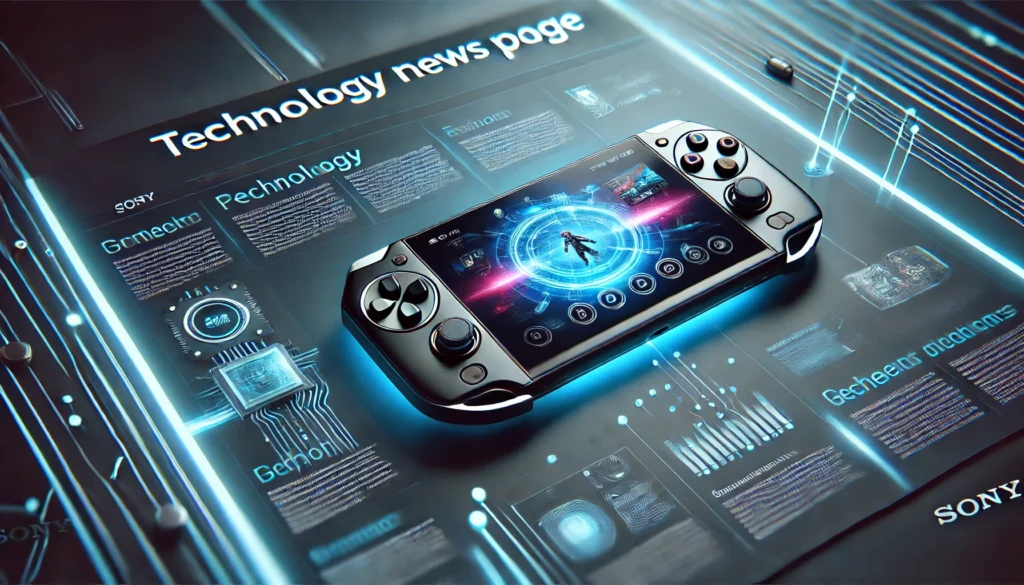
    Sony’s Making a Handheld Console to Compete with Nintendo and Microsoft

    Sony’s venture into handheld consoles is sparking excitement across the gaming world. With a history of innovation and iconic devices like the PlayStation Portable (PSP) and PlayStation Vita, Sony aims to re-enter the market with a cutting-edge handheld console. This article explores what the Sony handheld console might offer, its potential impact, and how it compares with rivals like Nintendo and Microsoft.


    A Look Back: Sony’s History in Handheld Gaming

    Sony is no stranger to handheld gaming. The PlayStation Portable (PSP), released in 2004, set new standards with its high-quality graphics and multimedia capabilities. It was followed by the PlayStation Vita, which boasted powerful hardware and features like an OLED screen and touch controls. However, despite its technical prowess, the PS Vita faced stiff competition and failed to gain significant traction due to a lack of third-party support and a high price point.

    Sony’s re-entry into this market signifies a renewed commitment, informed by lessons from the past and shaped by the current gaming landscape.


    Why Is Sony Re-Entering the Handheld Console Market?

    1. The Boom in Handheld Gaming

    Handheld gaming has seen a massive resurgence, thanks to the success of hybrid consoles like the Nintendo Switch. Gamers increasingly value flexibility, and handheld devices offer the convenience of gaming on the go.

    2. Cloud Gaming Opportunities

    Cloud technology has evolved, enabling high-quality gaming experiences without relying on bulky hardware. Sony’s focus on PlayStation Plus Cloud Streaming suggests that their handheld console could serve as a gateway to the cloud.

    3. Competing with Nintendo and Microsoft

    Nintendo dominates handheld gaming, while Microsoft’s focus on cloud gaming via Xbox Game Pass expands its footprint. Sony, with its extensive gaming library and technical expertise, aims to challenge both.

    4. Integration with the PlayStation Ecosystem

    Sony’s strength lies in its PlayStation ecosystem. A new handheld console could integrate with the PS5 and PlayStation Network, offering gamers a seamless experience.


    What Can We Expect from Sony’s Handheld Console?

    While details are sparse, industry insiders and leaks provide some hints about what Sony might bring to the table.

    1. Powerful Hardware

    Sony has a history of pushing technical boundaries. The new handheld console might feature high-resolution displays, fast processors, and ergonomic designs, ensuring a premium gaming experience.

    2. Cloud Gaming Optimization

    The console is likely to focus heavily on cloud gaming, allowing players to stream PS5 titles seamlessly. This aligns with Sony’s investments in PlayStation Plus Premium and its Remote Play feature.

    3. Game Library

    With access to a vast library of PlayStation-exclusive titles like God of War, The Last of Us, and Horizon, Sony’s handheld console could attract gamers who value quality narratives and blockbuster experiences.

    4. Hybrid Functionality

    Inspired by the Nintendo Switch, Sony may incorporate hybrid features, enabling the device to transition between handheld and home-console modes.

    5. Competitive Pricing

    Sony must strike a balance between offering high-end features and keeping the console affordable, especially when competing with the Nintendo Switch and portable options supported by Xbox Cloud Gaming.


    How Will Sony Compete with Nintendo and Microsoft?

    Competing with Nintendo: A Focus on Technology

    Nintendo’s Switch dominates handheld gaming due to its versatility and library of exclusive titles like Zelda and Mario. To compete, Sony might lean on its technological edge, offering superior graphics, performance, and integration with the PS5.

    Challenging Microsoft: Cloud Gaming as a Key

    Microsoft’s focus on cloud gaming via Xbox Game Pass Ultimate has made gaming accessible on various devices. Sony’s handheld could act as a dedicated device for PlayStation’s cloud gaming service, providing optimized performance and exclusive features.

    Sony’s Unique Strength: The PlayStation Ecosystem

    Sony has the advantage of a loyal PlayStation fan base. By integrating its handheld console seamlessly with the PS5, PlayStation Plus, and its gaming library, Sony could create a compelling value proposition for gamers.


    Key Features Gamers Want from Sony’s Handheld Console

    For Sony to succeed, it must deliver features that resonate with gamers. Here are some of the key expectations:

    1. High-Quality Display

    Gamers expect a vivid, high-resolution screen with support for HDR and smooth frame rates.

    2. Seamless Cloud Integration

    Optimized support for PlayStation’s cloud services could set this device apart.

    3. Strong Battery Life

    Battery performance will be critical, especially for gamers who prefer long sessions without frequent charging.

    4. Cross-Platform Compatibility

    Support for PS5 games, save file syncing, and seamless transitions between devices will enhance the overall experience.

    5. Robust Build and Ergonomic Design

    Comfortable controls and a durable build will be essential for portability and longevity.


    Challenges Sony Might Face

    While the opportunity is significant, Sony will also face notable challenges:

    1. Pricing Competition

    Nintendo’s Switch and Microsoft’s cloud gaming options are cost-effective. Sony’s pricing strategy must be competitive to attract gamers.

    2. Game Support

    A limited library or lack of third-party developer support could hinder the console’s adoption, as seen with the PS Vita.

    3. Battery Technology

    Balancing powerful performance with extended battery life will be a technical hurdle.

    4. Market Saturation

    With established options in the market, Sony must carve out a clear niche to succeed.


    FAQs About Sony’s New Handheld Console

    When is Sony’s handheld console releasing?

    Sony has yet to announce an official release date. Speculation suggests it might launch in late 2024 or early 2025.

    Will it compete directly with the Nintendo Switch?

    Yes, Sony’s console is expected to compete with the Nintendo Switch and Xbox-supported cloud gaming on portable devices.

    What features will the console have?

    While specifics are unconfirmed, rumors suggest it will support cloud gaming, have hybrid functionality, and integrate with the PS5 ecosystem.

    What games will be available?

    The console will likely support PlayStation’s extensive library, including exclusives and cloud-compatible titles.

    How much will it cost?

    Pricing remains unknown, but Sony will likely aim for competitive pricing to attract gamers.


    The Future of Handheld Gaming with Sony

    Sony’s new handheld console is shaping up to be a game-changer in the portable gaming space. By combining its gaming heritage with modern trends like cloud gaming and hybrid functionality, Sony has the potential to redefine handheld gaming.

    Success will depend on how well Sony can address market demands and position the device against strong competitors like Nintendo and Microsoft. With the right strategy, Sony’s handheld console could become a cornerstone of the gaming industry’s future.

    other blog